How to Choose the Best Golf GPS Rangefinder: A Complete Buyer’s Guide
Why Use a GPS Rangefinder in Golf?
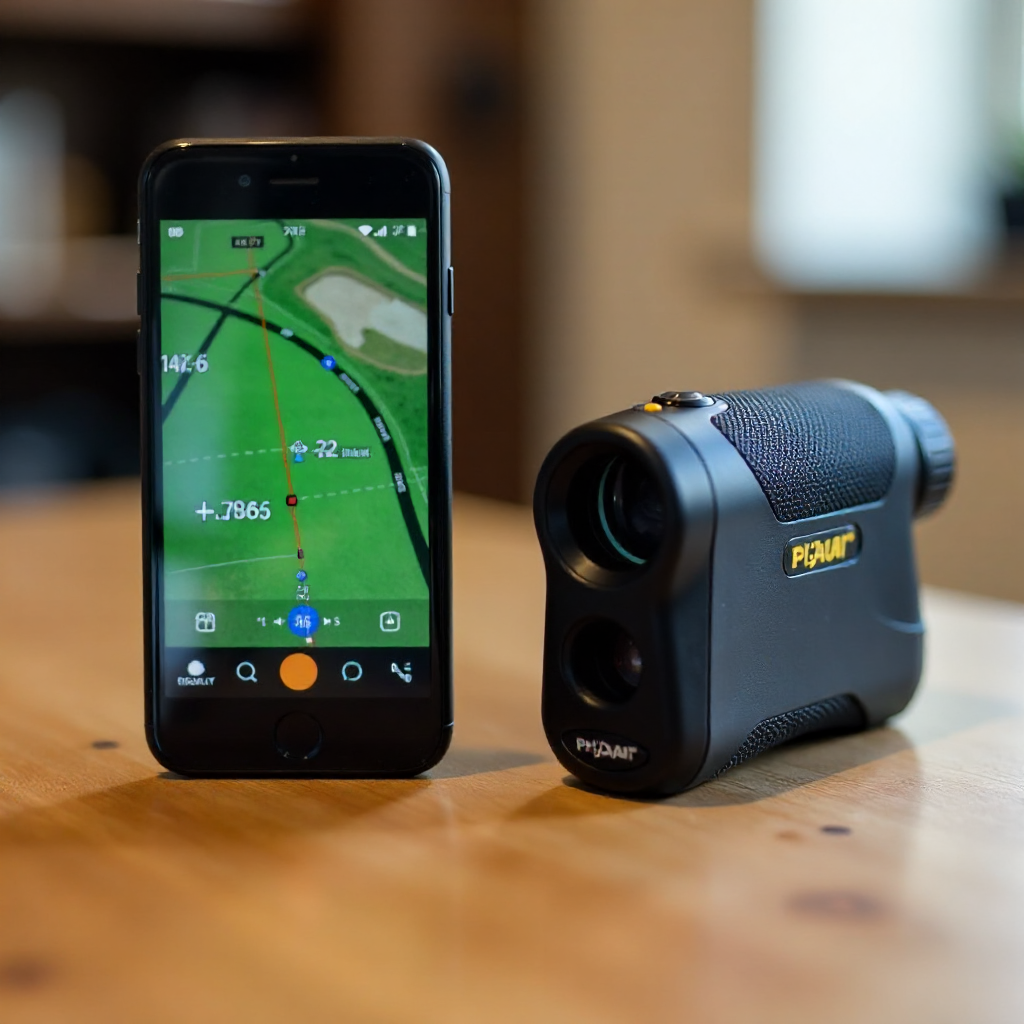
A golf GPS rangefinder provides precise distance measurements and course information using satellite technology, enhancing your game compared to traditional estimation methods.
Unlike pacing off distances or relying on caddies, a golf GPS rangefinder offers automated and instant readings for distances to hazards, greens, and fairways. This technology helps golfers make smarter club selections and improves shot accuracy by delivering real-time data without manual calculation.
Most GPS rangefinders come preloaded with thousands of course maps worldwide, allowing navigation on unfamiliar courses. This convenience saves time during rounds and reduces guesswork, which can lower scores over time. For recreational and competitive players alike, a GPS device adds a strategic edge, especially when paired with useful features like shot tracking or digital scoring.
Key Features to Consider When Choosing a Golf GPS Rangefinder
The best golf GPS rangefinder balances accuracy, usability, battery life, and course coverage to fit your playing style and budget.
- Accuracy and Distance Measurement: Top models offer distance accuracy within 1-3 yards, sufficient for confident club selection. Some combine GPS with sensors to adjust for elevation and slope.
- Course Mapping and Preloaded Courses: Look for devices with extensive, regularly updated course libraries. This ensures you have reliable maps and can access local courses easily.
- Display and Interface: A high-contrast, sunlight-readable screen is essential for outdoor visibility. Touchscreens offer convenience but may drain battery faster than button-operated devices.
- Battery Life and Charging Options: Choose a rangefinder that lasts through at least 18 holes (4-6 hours) on a single charge. USB charging is common; some devices use replaceable batteries.
- Usability (Weight, Size, Ease of Use): Lightweight and compact models are more comfortable to carry and less distracting. Intuitive menus help you quickly access yardages without fumbling during your swing.
- Integration with Smartphones and Golf Apps: Many GPS rangefinders sync with apps for score tracking, shot analysis, and even social features. This integration can add value if you want to review performance post-round.
Understanding these key specifications will help you filter out devices that don’t meet your real-world needs, avoiding overspend on gimmicks or buying a basic model that doesn’t keep pace as your skills improve.
Comparing GPS Rangefinders vs. Laser Rangefinders
The main difference is that a GPS rangefinder calculates distance based on satellite data, while a laser rangefinder uses a beam to measure exact yards to a specific target.
GPS rangefinders excel at providing full course layouts and distances to multiple points like hazards, fairways, and pins without line-of-sight limitations. They are generally easier to use and give more versatile data, especially helpful for navigating unfamiliar courses.
Laser rangefinders offer pinpoint precision up to 400 yards or more, ideal for exact pin targeting and slope adjustments. However, they require clear line of sight and steady hands, which can be challenging in rough or visually complex situations.
Choosing between them depends on your priorities: GPS devices provide broader situational awareness and automated data, while laser models deliver pinpoint distances with higher precision but less overall course insight. Some advanced golfers even combine both devices for the best of both worlds.
Top Brands and Models in the Market
Several trusted sports tech brands dominate the golf GPS rangefinder space, known for quality, reliability, and innovation.
- Garmin: Offers feature-rich GPS devices with vibrant color displays, extensive course libraries, and smartphone app integration. Models like the Garmin Approach series are popular among all skill levels.
- Bushnell: Known for rugged laser and GPS hybrids. The Bushnell Phantom GPS and Hybrid models combine laser precision with GPS tracking, favored by advanced players seeking accuracy and versatility.
- SkyCaddie: Focuses on premium GPS technology with touchscreens, detailed course maps, and slope-adjusted distances. The SkyCaddie SX500 is considered one of the most accurate and feature-packed units available.
- Voice Caddie: Rising brand offering affordable GPS units with clear displays and smart shot tracking features, ideal for budget-conscious golfers.
Each brand offers models tailored to different budgets and expertise levels, often supported by regularly updated software for new courses and features. Researching reviews and comparing feature lists is essential before making a purchase.
How to Evaluate Price vs. Features
Balancing cost against functionality means matching the GPS rangefinder’s benefits with your actual needs and frequency of play.
Entry-level GPS devices typically range from $100 to $200, providing basic distance measurements, daylight-readable screens, and preloaded courses. These are suitable for casual golfers who want simple, fast yardages without extras.
Mid-range models ($200 to $400) add features like touchscreen interfaces, longer battery life, smartphone connectivity, and shot tracking. These suits players aiming to improve the game by analyzing rounds.
Premium GPS rangefinders ($400 and above) include large, high-resolution color displays, more precise distance calibration, slope compensation, and hybrid functions combining GPS and laser. Advanced golfers and competitive players benefit most from these additions.
When evaluating price, consider longevity and firmware updates that add value over time. Sometimes paying slightly more upfront for a device with robust build quality and frequent course updates results in better long-term savings.
Tips for Using Your Golf GPS Rangefinder Effectively
To maximize your GPS rangefinder’s value, follow practical steps for setup and regular use.
- Update Course Maps Regularly: Connect your device to Wi-Fi or apps before rounds to ensure maps reflect recent changes and new layouts.
- Familiarize Yourself with Interface: Practice navigating menus and targeting different course features before playing to avoid slowdowns.
- Maintain Battery Levels: Charge fully before rounds and carry a portable charger if you expect extended play or use GPS continuously.
- Use Integration Features: Sync with compatible smartphone apps for shot tracking, scorecards, and post-round analysis to gain deeper insights.
- Avoid Overreliance: While GPS adds data, continue to develop course management skills—reading wind, hazards, and lie remain critical.
Consistent use coupled with strategic interpretation of GPS data will improve your decision-making and ultimately lower your score.
Frequently Asked Questions
How accurate are golf GPS rangefinders?
Most GPS rangefinders provide yardage accuracy within 1-3 yards, which is sufficient for club selection and course navigation. Some advanced devices improve accuracy with multi-satellite corrections.
Can a GPS rangefinder replace a caddie or laser device?
While GPS rangefinders offer comprehensive distance data and course insights, they lack the personalized advice and tactical experience provided by a caddie. Laser rangefinders may be better for precise pin targeting. Many golfers benefit from using both or combining GPS data with a caddie’s guidance.
How long does the battery typically last during a round?
Golf GPS rangefinders usually last 4-6 hours on a full charge, enough for 18 holes. Battery life depends on screen brightness, GPS usage intensity, and additional features like shot tracking.
Are GPS rangefinders allowed in tournaments?
GPS devices are permitted in many recreational and amateur tournaments but may be restricted or banned in professional or certain competitive events. Always check tournament rules before play.
What features matter most for beginner vs. advanced golfers?
Beginners benefit from easy-to-use devices with clear yardages and course maps for faster learning. Advanced golfers often seek slope adjustments, shot tracking, and integration with analytics apps to refine strategy.
Choosing the best golf GPS rangefinder requires understanding your playing style, budget, and the features that will help improve your game. By familiarizing yourself with core specs, comparing technologies, and selecting trusted brands, you can find a device that makes every round more enjoyable and competitive.